Welcome to our Keto Calculator! This is an excellent tool for people who follow or want to start a keto diet. Our calculator helps you plan your diet by optimizing your macronutrient intake. This way, you can reach your weight loss or fitness goals while following a low-carb, high-fat diet. To get a custom health plan, enter your age, weight, height, and activity level. Our calculator will use your info to make a plan just for you. Our calculator helps plan meals for a keto diet. It’s easy to use whether you’re new or experienced. It sets goals for your carbs, protein, and fat, making it simple to stay on track. Start your keto journey today, and let our calculator guide you to a healthier, happier you!
Our Keto Calculator does more than give you personalized macronutrient targets. It also has other tools to help you reach your goals. Our calculator does it all for your keto diet. You can track progress, monitor calories, and get food recommendations and insights. Our website is simple to use. We have a lot of food information. You can be confident you’re making informed choices for your health. Want to try the ketogenic diet? Our Keto Calculator can help. Start today to see the benefits for yourself.
KETO CALCULATOR FOR WEIGHT LOSS
require
require
require
Your body Carb requirment ......
|
The calorie count is then adjusted based on your goal:
This calorie count is split into macronutrient percentages in the following ratios, based on splits commonly recommended by our nutrition experts for muscle gain, weight loss, and weight maintenance. (Yes, weight gain and maintenance are the same ratio, but the calories and macros are different.) Finally, your carbohydrate intake comes from applying those percentages to your daily calorie number. Each gram of carbohydrates is "worth" 4 calories. |
Keto Calculator to Find Your Macros Brief Guide
What is the Keto Diet?
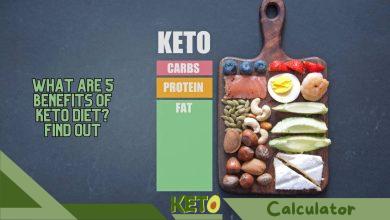
The Keto Diet is when you eat high-fat foods, some protein, and a few carbs. Some also call it the ketogenic diet. The aim is to make your body burn fat for fuel instead of carbs. This happens when you’re in ketosis, a metabolic state. The standard keto diet means eating primarily fat – around 70 to 80% of your daily calories. Protein makes up 20 to 25%, while carbs are only 5 to 10%. To simplify it, it’s better to eat fewer carbs, around 20-50 grams a day. This is much lower than what most people usually eat.
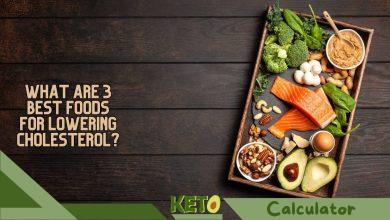
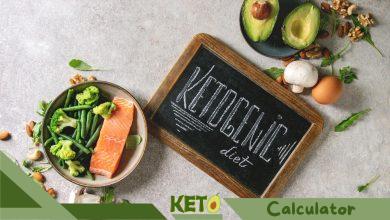
The primary fat sources in our diet are healthy oils, nuts, seeds, avocados, and fatty fish. Protein can come from animals like meat, poultry, fish, and plants like tofu and tempeh. Carbohydrates are limited to non-starchy vegetables, berries, and small amounts of low-carb fruits.
The Keto Diet is famous for helping weight loss and controlling blood sugar. It can also boost your energy. The diet may not work for everyone. If you have kidney disease or had problems with eating before, it may not be safe for you. Before trying a new diet or lifestyle, talking to a healthcare provider is crucial.
How Does the Keto Diet Work?
The Keto Diet helps your body burn fat instead of carbs for energy by putting you in ketosis. Carbs get cut, and the body breaks fat down to use ketones for energy instead. The body usually uses glucose for energy. Glucose is a sugar obtained from carbs. When you decrease your carb intake, your body burns stored fat for energy. This leads to weight loss because the body burns fat for fuel instead of keeping it.
Weight loss, the Keto Diet has been shown to have other potential health benefits. For instance, it can help control blood sugar in people with type 2 diabetes. This is done by eating fewer carbs and making insulin work better. It can lower cholesterol levels. Triglycerides are a type of fat in the blood that it reduces. However, it’s important to note that the Keto Diet may not suit everyone. This medicine can have side effects like tiredness, headaches, and constipation. It might not be safe for folks with kidney disease or who had disordered eating before. Before starting the Keto Diet, you should talk to a doctor or nurse. This is important for any diet or lifestyle change you make.
Benefits of the Keto Diet
The Keto Diet has recently gained popularity due to its potential health benefits. Some of the benefits of the Keto Diet include:
- Weight loss: The Keto Diet is a high-fat, low-carbohydrate diet that can help promote weight loss by inducing ketosis when the body burns fat for fuel instead of carbohydrates.
- Improved blood sugar control: The Keto Diet may improve blood sugar control in people with type 2 diabetes by reducing carbohydrate intake and increasing insulin sensitivity.
- Increased energy levels: By providing the body with a steady supply of ketones for energy, the Keto Diet may help increase energy levels and reduce feelings of fatigue.
- Reduced inflammation: Some studies suggest that the Keto Diet may help reduce inflammation, a risk factor for many chronic diseases.
- Improved cholesterol levels: The Keto Diet may improve cholesterol levels by reducing levels of triglycerides, a type of fat found in the blood.
- Reduced risk of seizures: The Keto Diet has been used for decades to treat epilepsy in children and adults who don’t respond to traditional medications.
The Keto Diet may not work for everyone. It can make you tired, give you headaches, or make you constipated. Before trying the Keto Diet, talk to a doctor to ensure it’s safe.
How to Use the Keto Calculator
The Keto Calculator is a tool to find how much fat, protein, and carbs you should have on the Keto Diet. It helps you know your ideal intake. Here’s how to use it:
- Determine your basal metabolic rate (BMR): This is the energy your body needs to function at rest. You can use an online BMR calculator to estimate your BMR based on age, gender, weight, and height.
- Determine your activity level: The next step is to factor in your activity level to estimate your total daily energy expenditure (TDEE). This is the energy your body needs to maintain your current weight based on your activity level. The Keto Calculator will typically ask you to estimate how often you engage in various physical activities, from passive to very active.
- Set your weight loss goals: The Keto Calculator will ask you to specify how much weight you want to lose per week. Setting realistic goals is essential, as losing weight too quickly can be unhealthy and unsustainable.
- Set your macronutrient ratios: Based on your BMR, TDEE, and weight loss goals, the Keto Calculator will generate recommended macronutrient ratios for your diet. These typically involve a high fat intake (70-80% of daily calories), moderate protein intake (20-25% of daily calories), and low carbohydrate intake (5-10% of daily calories). The Keto Calculator will provide specific targets for grams of fat, protein, and carbohydrates to aim for each day.
- Track your progress: Once you have your macronutrient targets, you can use a food-tracking app or website to monitor your intake and ensure you stay within your recommended ranges. Over time, you can adjust your information based on your progress and your macronutrient ratios to achieve your weight loss goals.
It’s important to note that the Keto Calculator is just a tool, and it’s essential to consult with a healthcare professional before starting any new diet or lifestyle change.
Understanding Macros on the Keto Diet
Macros, or macronutrients, are our food’s primary nutrients that give us energy. These are carbohydrates, protein, and fat. If you’re on the Keto Diet, knowing about macros is essential. They refer to the fats, proteins, and carbs you eat and their ratio to trigger ketosis and shed weight.
Carbohydrates
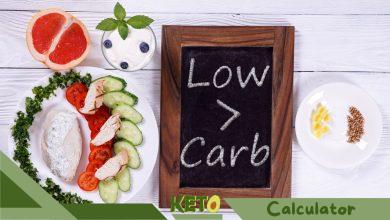
Carbohydrates are the primary macronutrient that the Keto Diet restricts. Eating too many carbs can stop your body from entering ketosis. That’s why most people on the Keto Diet eat only 20-50 grams of carbs daily. People who follow this diet usually avoid eating a lot of grains, fruits, and starchy veggies. They focus more on vegetables low in carbs and foods with lots of protein and fat.
Protein
While the Keto Diet is high in fat, it also includes moderate protein. Overeating protein can stop ketosis. On Keto Diet, people try to have around 20-25% of their daily calories from moderate protein. Choose good protein sources such as meat, fish, eggs, and dairy.
Fat
Fat is the primary macronutrient that the Keto Diet emphasizes. Eating enough fat is vital to give your body energy to work and to encourage ketosis. Most people on the Keto Diet aim for a high fat intake of around 70-80% of daily calories. Choosing healthy sources of fat is essential. You can try nuts, seeds, avocados, coconut, and olive oil.
The Keto Diet has specific macronutrient ratios, but everyone’s needs vary. Remember this. Your age, gender, weight, and how much you move can affect how much protein, fat, and carbs you need. Before starting the Keto Diet, talk to a doctor to ensure it’s safe and will work well for you.
Sample Meal Plans for the Keto Diet
The keto diet is when you eat less carbs and more fat. Lots of people like it. The keto diet aims to put your body into a state of ketosis, where it burns fat for energy instead of glucose. You can improve your body by reducing carbs and eating good fats and protein. Here are some sample meal plans for the keto diet.
- Breakfast: Bacon and Eggs – Cook 2-3 slices of bacon in a pan, then add 2-3 eggs and scramble them together. Serve with a side of sliced avocado or a handful of spinach. This breakfast is high in healthy fats, protein, and fiber and will keep you full until lunchtime.
- Lunch: Greek Salad with Chicken – In a large bowl, mix together romaine lettuce, cucumber, cherry tomatoes, feta cheese, and sliced grilled chicken. Dress with olive oil and vinegar. This salad is high in protein and healthy fats from the chicken and feta cheese and is a delicious way to get your veggies in.
- Snack: Almond Butter and Celery – Spread a tablespoon of almond butter on celery sticks for a crunchy and satisfying snack. Almond butter is high in healthy fats and protein, and celery is a low-carbohydrate vegetable high in fiber.
- Dinner: Grilled Steak with Roasted Vegetables – Grill a 6-ounce steak to your liking and serve with a side of roasted vegetables, such as broccoli, cauliflower, or Brussels sprouts. Drizzle with olive oil for added healthy fats. This meal is high in protein and healthy fats and is a great way to end your day on a satisfying note.
These keto diet meal plans are just examples. You can change them to fit your preferences. Remember to eat foods that have healthy fats, protein, and vegetables low in carbs. This will help you achieve ketosis and get the benefits of the keto diet.
Tips for Success on the Keto Diet
The keto diet can help you lose weight and be healthier, but it’s not easy to stick to. Here are some tips for success on the keto diet:
- Plan your meals – Planning your meals in advance can help you stay on track and avoid making unhealthy choices. Make a grocery list and shop for keto-friendly foods, and prepare your meals in advance.
- Track your macros – To achieve ketosis, you’ll need to carefully track your macronutrient intake. Aim for daily information of 70-75% fat, 20-25% protein, and 5-10% carbohydrates.
- Stay hydrated – Drinking plenty of water on the keto diet is essential, as it can help prevent dehydration and reduce the risk of keto flu. Aim for at least 8 glasses of water per day.
- Get enough electrolytes – When you restrict your carbohydrate intake, your body excretes more electrolytes, leading to symptoms like muscle cramps, fatigue, and headaches. To prevent this, ensure you get enough sodium, potassium, and magnesium through your diet or supplements.
- Don’t be afraid of healthy fats – Healthy fats like olive oil, avocados, and nuts are essential to the keto diet. They can help keep you full and satisfied and provide the energy your body needs to function.
- Be patient – Achieving ketosis can take time, and it’s essential to be patient with yourself. Stick to the diet and track your progress, but don’t get discouraged if you don’t see immediate results.
If you want to succeed with keto, follow these tips. They’ll help you reach your goals and benefit from this trendy diet. Before making any significant changes to your diet or lifestyle, talk to your doctor first.
Conclusion:
A keto calculator is helpful for anyone looking to start or maintain a ketogenic diet. The calculator advises how much protein, carbs, and fat to eat for weight loss. It helps you reach ketosis, get healthy, and lose weight. Remembering that the keto calculator is just one part of leading a healthy life is essential. Eating healthy foods, drinking lots of water, exercising, and resting is necessary.
FAQs
Q1. Why should I use a keto calculator?
A keto calculator can help you be in ketosis, essential for the keto diet to work. It can also help you achieve your weight loss goals and improve your overall health.
Q2. How do I use a keto calculator?
If you want to use a keto calculator, enter your height, weight, age, gender, and activity level. The calculator suggests how much protein, carbs, and fat you need daily. It also tells you how many calories you need.
Q3. Is a keto calculator accurate?
A keto calculator uses math and science to give you a reasonable estimate of your diet. It’s usually accurate. But keep in mind that the suggestions from the calculator are only guidelines. You should make some changes based on your own situation.
Q4. Can a keto calculator help me lose weight?
A keto calculator can help you lose weight. It gives you personalized advice for what to eat based on your body’s needs. This calculator offers you tips for daily calories and macronutrients. If you follow these suggestions, you can reach and stay in ketosis. Doing so can help your body burn fat for energy and aid in weight loss.
Q5. Can a keto calculator help me if I have a medical condition?
A keto calculator can tell you how much fat, carbs, and protein you need each day and how many calories to eat. Talk to a doctor before starting any new diet or exercise, especially if you have a health problem. Your doctor can tell you if the ketogenic diet is okay for you.